What I Learned Publishing 100 Blogs in One Year
Written by
Cassandra Gaston
Published on
Dec 30, 2025
In January, I decided I was going to publish 100 blog posts for Broadleaf Commerce before the year ended. Not social posts. Not emails. Actual blogs.
That's about two per week. It was aggressive. And now I'm writing number 100, which means it somehow worked.
Why 100?
Honestly? Because it was a round number that would force me to publish even when I didn't feel like it. Which was often.
Broadleaf competes against commerce platforms with marketing teams five times our size. We can't outspend them on ads or events. But blogs are free, and search engines don't care how big your team is. The bet was that if we just kept publishing quality stuff, eventually we'd start showing up in the places that matter.
What I Actually Published
I wrote about a lot of different things, mostly so I wouldn't go crazy writing about the same topic for 52 weeks straight.
Technical posts for developers and architects. Microservices patterns, architecture, feature sets, and domain extensibility. Most of these started as Slack threads where our engineers were explaining something to each other. I'd grab those conversations, clean them up, and turn them into something people outside the company could actually read.
Opinion pieces where we picked a side. "True Microservices vs. Fake Microservices" was one. "Stop Betting Your Business on Big Bang Replatforms" was another. These were more fun to write, and people actually read them. Turns out nobody shares an article that says "it depends."
Product announcements. Engineering would ship something; I'd translate the release notes into human.
Partner Q&As with Grid Dynamics, Avalara, and Credera. Easy format. They bring the expertise; I just show up with questions.
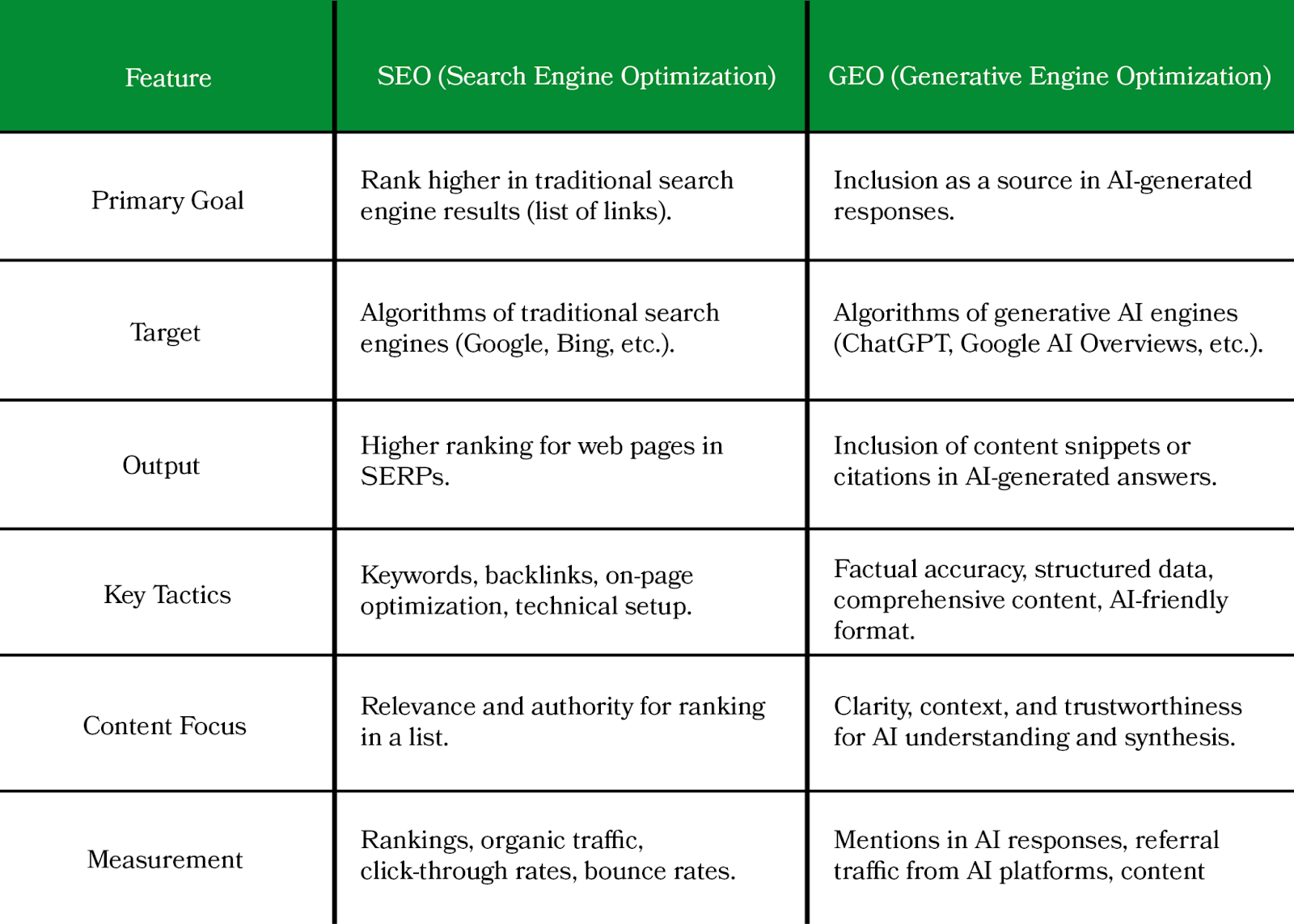
Industry takes. GEO vs. SEO, unified commerce, why monoliths won't die quietly. The usual eCommerce discourse.
When I got sick of one category, I'd write something from a different one. Not a sophisticated system. Just how I stayed sane.
Three Things that Actually Worked
Creating blog series saved my life. The "Broadleaf Catalog: 6 Innovations" series is the clearest example. One massive post covering everything would have killed me. Six shorter posts, each focused on one thing, were actually finishable. And once I finished one, I already knew what the next one was about. No blank page problem. The subscription posts worked the same way.
Raiding Slack was a cheat code. Engineers spend all day explaining complicated things to each other in plain language. Half my job was just copying those explanations, adding some context, and publishing them. The trick was getting engineers to trust me not to screw it up or add cringeworthy marketing fluff. ("Unlock the power of your microservices journey!" Absolutely not.) Once they trusted me, they started pitching ideas themselves.
Strong opinions outperformed safe ones. The posts people actually shared were the ones that said something definite. B2B blogs are stuffed with hedge words. "You might consider possibly exploring whether this could perhaps be an option." Nobody finishes reading that. When we actually committed to saying "this is right and that is wrong," people paid attention, even when they disagreed.
Three Things that were Harder than I Expected
- Week 30. And 31. And 32. There were stretches in late summer where I'd published everything I could think of and still had to put something out on Tuesday. I keep a running list of blog ideas, most of which are terrible. (Actual item on this list: "The hidden poetry of API documentation." I don't know what I was thinking.) But even bad ideas sometimes spark okay ideas, so the list helps.
- Scrubbing the AI out. I use AI to help draft things, which means I spend a lot of time deleting phrases that sound like a robot wrote them. "Crucial." "Ideal." "In today's rapidly evolving landscape." Gone. All of it. If a sentence could show up on any company's blog without anyone noticing, it's too generic to publish. This sounds obsessive because it is.
- Switching audiences. On Monday, I'd write a post about Kafka configuration for developers. On Wednesday, I'd write about CFO concerns for finance people. Totally different voices, totally different assumptions about what the reader knows. I never figured out a graceful way to toggle between them. I just accepted that my brain would be confused a lot.
Three Surprises
In February, publishing a post felt like emailing it directly to my mom and no one else. By October, new posts were getting picked up faster. Partly, that was internal linking doing its job. But I think it was also just mass. After 70 or 80 posts, there was enough material that Broadleaf started feeling like a real presence instead of a company that occasionally blogs.
The partner Q&As did way better than I expected, given how little time they took. Slapping an Avalara or Credera byline on something gave it weight I couldn't create on my own. And the format was fast. Highly recommend.
Black Friday posts published in September outperformed similar content from earlier in the year. People read what's relevant to them right now.
Three Things I'd Do Differently
- I'd map out the whole year in January instead of planning week by week. The series idea came to me by accident in March. If I'd built the calendar around it from the start, I would have panicked less.
- I'd update old posts. Some of the February stuff is stale. I know more now about what works. Those early posts could use a pass.
- I'd repurpose more aggressively. Every blog could have been a LinkedIn post, a short video, a talking point for the podcast. I was so fixated on the number 100 that I didn't think about getting more mileage out of each piece.
So What
Showing up regularly beats trying to be brilliant occasionally. Also, your engineers will become your best source of content if you don't embarrass them. I'm still working on that second one.
Would I do it again?
Ask me in January when I've had some sleep.
Probably yes.