How Modern Telcos Are Solving Their Pricing Complexity Problem
Written by
Sam
Published on
Sep 02, 2025
Telecom companies face a pricing nightmare. You've got one-time device costs, monthly service fees, usage overages, activation charges, and promotional discounts all happening in the same transaction. Most commerce platforms weren't built for this kind of complexity, so telcos end up with custom workarounds, manual processes, and frustrated customers who can't figure out what they're actually paying.
We've spent the last couple of years building new features directly into Broadleaf Commerce to handle these scenarios natively. The result is support for recurring pricing, usage-based billing, free trials, and promotional bundles without the usual custom development headaches. For telcos, this means finally moving past basic service delivery into full digital transformation.
The Real Challenge Goes Beyond Simple Pricing
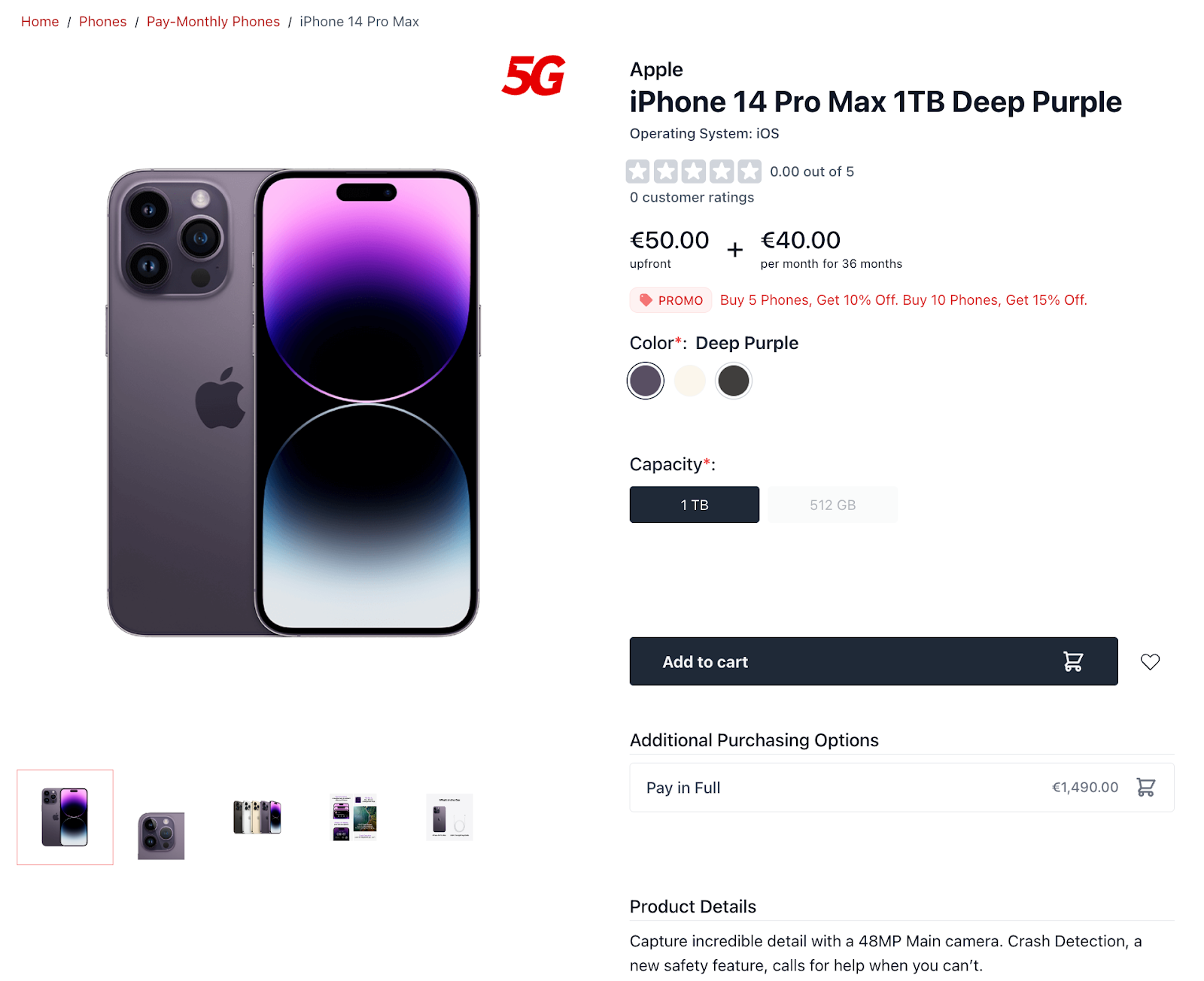
Picture this: A customer wants to buy the new iPhone, sign up for an unlimited data plan, add their spouse to the plan, and take advantage of a "first three months free" promotion. That's four different pricing models in one transaction.
Your commerce platform needs to calculate the upfront device cost, set up recurring monthly charges, apply the promotional discount correctly, and show the customer exactly what they'll pay each month. Miss any piece of this, and you've got an angry customer and a support ticket.
Your commerce platform needs to calculate the upfront device cost, set up recurring monthly charges, track usage for potential overages, apply the promotional discount correctly, and show the customer exactly what they'll pay each month. Miss any piece of this, and you've got an angry customer and a support ticket.
Broadleaf's Term-Based Pricing Engine handles all of this automatically. Instead of building custom pricing logic for every scenario, you configure the rules once and the system does the rest.
Here's what it can do:
Recurring Charges get set up automatically when someone signs up for a monthly or annual plan. The system tracks billing cycles, handles renewals, and can manage cancellations, but this may require some configuration to fully automate without manual intervention.
Usage-Based Pricing lets you model charges for things like extra data or additional call minutes. While the system can calculate costs, you still need to integrate with a metering engine to get the real usage amount and pass that to a billing engine.
One-time fees for devices, activation, or setup get added to the order total while keeping them separate from ongoing monthly charges. Customers see exactly what they're paying upfront versus what they'll pay every month.
The best part? Customers actually understand their bills because everything is broken down clearly from the start.
Marketing Teams Finally Get the Flexibility They Need
Most promotional systems are stuck in the coupon code era. You can offer 10% off or free shipping, but try to create a "buy two phones, get a streaming service for six months, plus 50% off the first year of service" promotion, and you're looking at weeks of custom development.
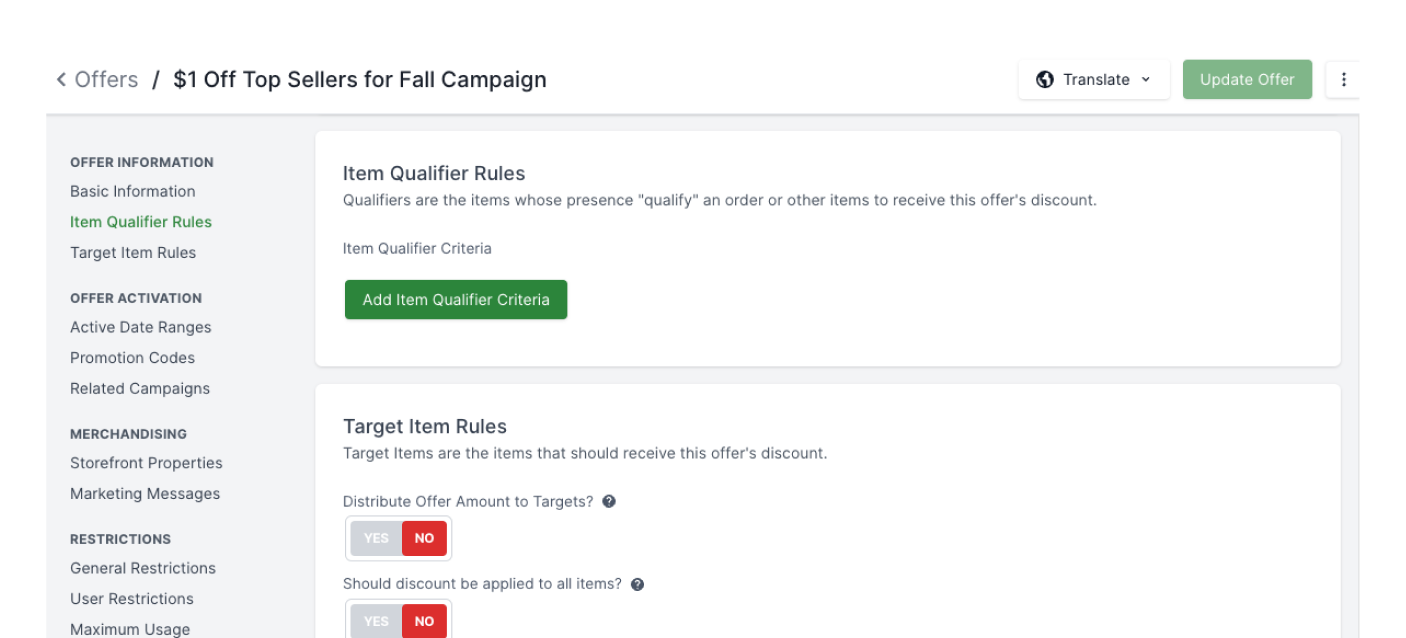
OfferServices in Broadleaf work differently. Free Trials are simple to set up. Customers can sign up for service immediately, but payment gets deferred until the trial period ends. No more complicated provisional accounts or manual billing adjustments.
Tiered Pricing adjusts automatically based on commitment level or usage patterns. Long-term customers get better rates, high-volume users get volume discounts, and new customers get introductory pricing without requiring separate product catalogs.
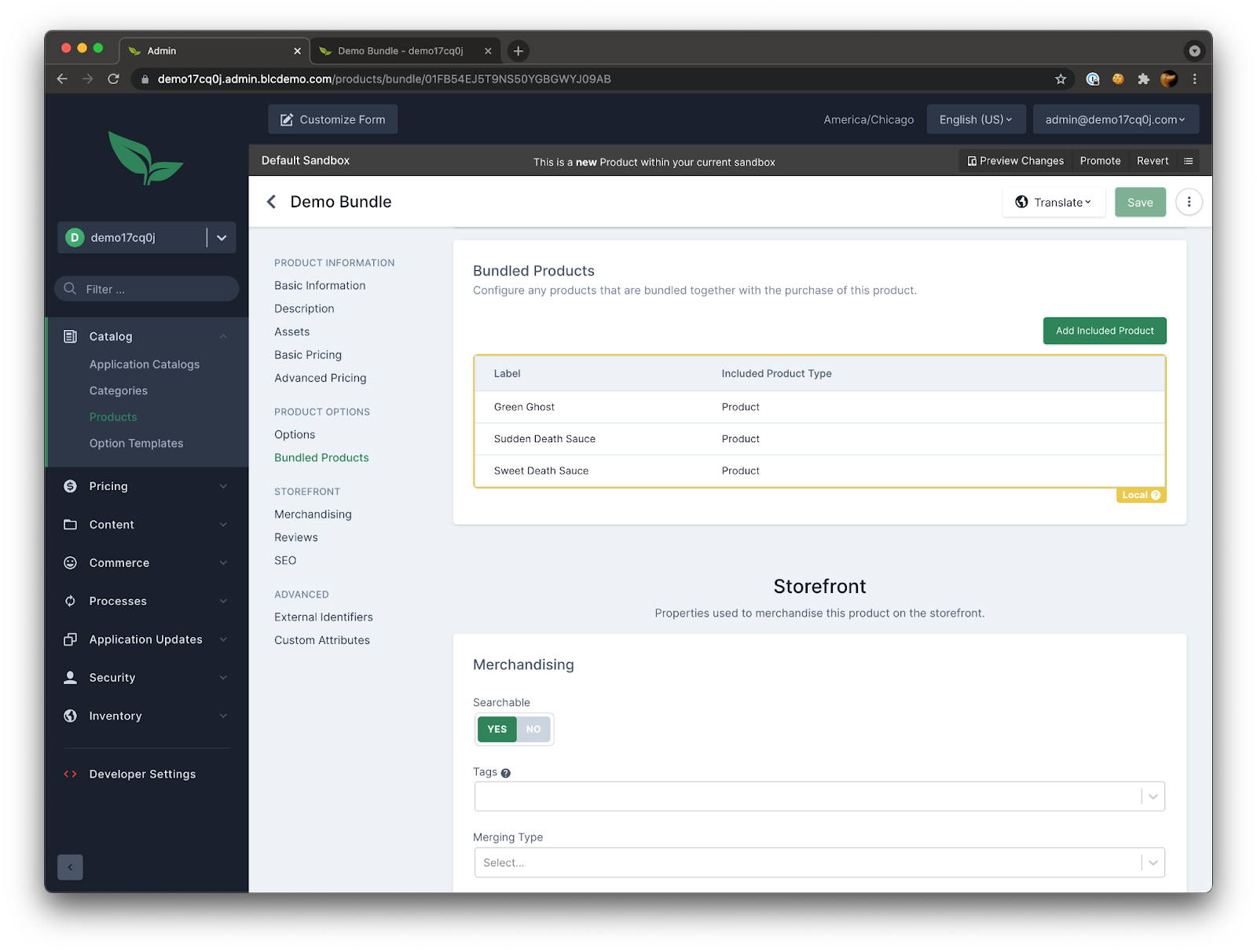
Dynamic Bundles let telcos build dynamic packages where customers choose devices and compatible service plans in a single, guided experience. The pricing updates in real-time, and the final bill makes sense. Our CMS can be used to create a complex journey flow to expose this dynamic bundle to the customer.
Marketing teams can launch more frequent promotions and test different offer combinations without requiring custom development for each scenario.
This Changes More Than Just Pricing
When your commerce platform can actually handle telecom complexity, other things become possible, too.
Product Discovery gets smarter. Instead of browsing through hundreds of phones, customers can search for "Android phones under $300 with at least 128GB storage and wireless charging." The product catalog system, which is also certified for compliance with TMForum TMF 620 standards, makes this kind of detailed filtering possible.
Customer Experience improves dramatically. No more bouncing between different systems to configure a device, choose a plan, and complete checkout. Everything happens in one guided flow that actually makes sense.
Operations become manageable. The modular architecture means you can handle high-traffic periods without everything slowing down. The architecture supports processing hundreds of thousands of daily subscription renewals without manual intervention.
Most importantly, you stop spending all your development time just keeping the lights on and can actually build new features that differentiate your business.
The Bottom Line
Telecom pricing is inherently complicated, but that doesn't mean your customers should suffer through a complicated experience. The companies winning in this space have figured out how to make complex services feel simple to buy and easy to understand.
Broadleaf's new features handle the complexity behind the scenes so customers see clean, transparent pricing and smooth purchase flows. Your marketing team gets the flexibility to create compelling offers. Your operations team gets systems that actually scale. And your development team gets to work on innovation instead of maintenance. Integrating this data with your existing systems becomes easy as well, thanks to Broadleaf's TMF620-certified APIs.
For telcos ready to stop fighting their commerce platform and start using it as a competitive advantage, these new capabilities provide the foundation you need.
What's the biggest pricing complexity challenge you're dealing with right now?